Best Dairy Free Baby Formula for a Milk Allergy

Five formulas compared on age range, protein type and tin size, with a clear note on which ones are genuinely dairy free and which one isn't. Includes who each pick suits and who should ask a paediatrician first.

By Travis WaltersUpdated 15 min read
On this page
- Best dairy free baby formula at a glance
- How I screened this shelf down to five
- Which of these are genuinely dairy free?
- Amino acid, hydrolysed or oat: what actually decides it?
- 1. Haven Oat Toddler Formula — Best overall
- 2. Pepticate Hypoallergenic Infant Formula — Runner-up
- 3. Nutricia Neocate Infant — Best for pros
- 4. Neocate Syneo Infant — Best premium
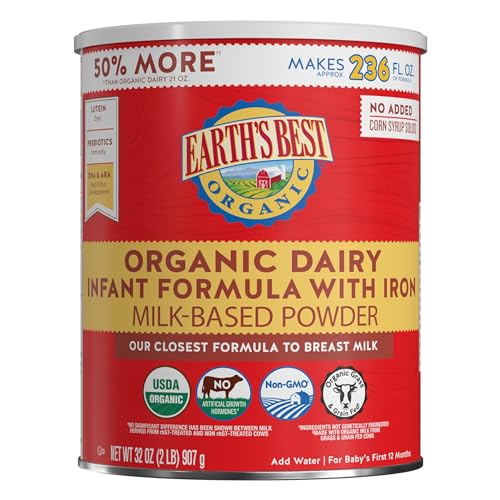
- 5. Earth's Best Organic Baby Formula — Best for beginners
- How long does a 14.1 oz tin last?
- What the listings do not tell you
- The verdict
- FAQ
The best dairy free baby formula for most families here is Haven Oat Toddler Formula, a 100% plant-based oat tin sized at 14.1 oz for ages 12 months to three years. If your baby is under a year old, Pepticate Hypoallergenic Infant Formula covers 0–12 months instead, in a 13.2 oz tin. Get this choice wrong and you don't just waste a tin. You extend the eczema, the colic and the fussiness you were trying to end, sometimes by weeks, because a formula that still contains intact cow milk protein keeps the reaction going.
Best dairy free baby formula at a glance
| Pick | Age range | Protein source | Price |
|---|---|---|---|
Best overall Haven Oat Toddler Formula |
12+ months | Oat, plant-based | Check Price |
| 0–12 months | Extensively hydrolysed (eHF) | Check Price | |
Best for pros Nutricia Neocate Infant |
0–12 months | 100% free amino acids | Check Price |
Best premium Neocate Syneo Infant |
0–12 months | 100% free amino acids | Check Price |
Best for beginners Earth's Best Organic Baby Formula |
0–12 months | Organic cow milk | Check Price |


How I screened this shelf down to five
I worked from published listing data only: age range, tin size, weight, protein description and the manufacturer's own feature claims. No price figures appear in this guide, because those move faster than any article can track.
Four things went into the cut:
- Age range stated on the label. A tin for 12 months and up is not interchangeable with a 0–12 month infant formula, so I split the picks that way rather than ranking them as one pool.
- Protein type named on the listing. Oat, extensively hydrolysed, free amino acids or intact cow milk. This is the single field that decides whether a formula suits a milk allergy.
- Tin size in ounces. Three of the five are 14.1 oz, one is 13.2 oz, one is 32 oz. That gap changes how often you reorder.
- What the listing actually publishes. Two picks state model numbers and box dimensions; two publish neither.
What got cut: tins with no stated age range, multipacks where the per-tin size wasn't clear, and listings whose only claim was a marketing slogan with no protein description at all. What survived is five tins whose age range and protein type you can read before you buy.
One thing I want flagged early. Amazon's results for this search include an organic dairy formula, and I have kept it in with an honest label rather than quietly dropping it, because you will see it in your own search too.
Which of these are genuinely dairy free?
This matters more than any other line in the guide, so read it before you order.
- Haven Oat Toddler Formula is described by Haven as 100% plant-based oat formula. That is a genuinely dairy-free tin.
- Nutricia Neocate Infant and Neocate Syneo Infant are described as dairy free powder formulas built on 100% free amino acids, for the dietary management of cow milk allergy.
- Pepticate is an extensively hydrolysed formula. Nutricia describes it as an eHF for cow milk allergy relief, which means the milk protein is broken into fragments rather than absent. It is not a plant formula.
- Earth's Best Organic Baby Formula is a powdered dairy infant formula made with organic milk from grass and grain-fed cows. It is not dairy free. I've included it because it appears in this search and because it's a reasonable organic starter tin for a baby with no diagnosed allergy, not as a milk-allergy option.
So the honest answer: the search term and the shelf don't line up perfectly. If "dairy free" for you means no milk-derived protein whatsoever, your candidates are Haven for toddlers and the two Neocate tins for infants. If your paediatrician has said an extensively hydrolysed formula is fine, Pepticate joins the list. Confirm which category your baby is in with a clinician before you commit to a tin, because the label wording alone won't settle it.
Amino acid, hydrolysed or oat: what actually decides it?
Most dairy free baby formula comparisons start with DHA content. Every pick here except the oat tin lists DHA and ARA, so it separates nothing. The protein source is what decides this purchase.
Think of it as three steps up a ladder. Intact cow milk protein sits at the bottom, and it's what a milk-allergic baby reacts to. Extensively hydrolysed protein sits in the middle: still milk-derived, but cut into small enough fragments that Nutricia describes Pepticate as clinically shown to relieve symptoms like eczema and colic. Free amino acids sit at the top, with no protein chains left at all, which is what both Neocate tins use.
The clinical threshold is simple. If a hydrolysed formula still produces symptoms, an amino acid formula is the next step. If it works, you don't need to climb higher.
Age is the second gate, and it's absolute. Haven's oat formula is made for toddlers aged 1–3 years. It is not an infant formula and should not be used as one. The other four tins state 0–12 months.
Where the extras come in: Neocate Syneo adds a prebiotic and probiotic blend that Nutricia calls Syneo, described as FOS/FOS. Pepticate uses a GOS/FOS prebiotic fibre blend. Haven lists prebiotics and probiotics too, plus DHA from marine algae and lutein.
1. Haven Oat Toddler Formula — Best overall
A genuinely plant-based, dairy-free tin for the one-to-three age band, and the cheapest of the five.
Best for: toddlers 12 months and up who need a plant-based tin Skip it if: your baby is under 12 months old
Haven is the only pick here with no milk-derived protein of any kind. That's the whole reason it leads. Where the Neocate tins strip cow milk protein down to amino acids, Haven starts from oats, so there's nothing to strip. Haven describes it as a 100% plant-based oat formula for toddlers aged 1–3 years.
The nutrition claims are Haven's own, and worth reading as such. The brand lists prebiotics and probiotics for developing digestive systems, DHA from marine algae, and lutein. On the exclusion side, Haven says it's made without palm oil, soy oil, fish oil, added sugar or artificial ingredients. Marine algae DHA is notable here: it means the omega-3 comes from a non-fish, non-dairy source, which matters if you're managing more than one allergy.
The tin is 14.1 oz and weighs 0.88 lb, matching Neocate Syneo for the lightest in the set. It's also the cheapest of the five and a 2026 release.
The trade-off is the age cutoff, and it's a hard one. Four of these five tins cover 0–12 months. Haven doesn't, so a newborn parent gets nothing from it. It also publishes no model number or box dimensions, and it sells slower here than Pepticate or Earth's Best.
Pros:
- Only fully plant-based, dairy-free pick in this set
- Cheapest of the five tins
- DHA sourced from marine algae, not fish
- No palm oil, soy oil or added sugar per Haven
- Lightest tin weight at 0.88 lb
Cons:
- Useless for infants under 12 months
- No published model number or dimensions
- Smaller 14.1 oz tin than the Earth's Best container
- Slower seller here than three of the other picks
2. Pepticate Hypoallergenic Infant Formula — Runner-up
The infant pick most families land on first, and the fastest seller of the five by a wide margin.

Best for: infants with diagnosed cow milk allergy starting a hydrolysed formula Skip it if: your paediatrician has ruled out any milk-derived protein
Pepticate is the one buyers choose most often here, and by a distance: no other pick comes close on sales position. It's an extensively hydrolysed formula for 0–12 months, which puts it a rung below the Neocate amino acid tins on the protein ladder.
Nutricia's claims are specific. Pepticate is described as clinically shown to relieve cow milk allergy symptoms including eczema and colic, and to reduce fussiness in babies with CMA. The brand also calls it the only eHF baby formula with a GOS/FOS prebiotic fibre blend designed to mimic the prebiotic oligosaccharides in breast milk, alongside DHA, ARA and nucleotides. Nutricia points to 30-plus years of eHF experience in Europe and sale in over 75 countries.
Preparation is the practical win. Nutricia describes it as a 1:1 mixing powder that works in standard bottles at home or out.
Two honest limits. At 13.2 oz it's the smallest tin here, which means more frequent reordering than the 32 oz Earth's Best container. And because it's hydrolysed rather than amino-acid-based, milk protein fragments remain, so it isn't the right pick if a clinician has ruled out milk protein entirely.
Pros:
- Fastest-selling pick of the five
- Second-cheapest tin in this set
- GOS/FOS prebiotic fibre blend per Nutricia
- Contains DHA, ARA and nucleotides
- Simple 1:1 mixing in standard bottles
Cons:
- Smallest tin here at 13.2 oz
- Milk-derived protein fragments remain
- No published model number or box dimensions
- Heavier at 1 lb than the 13.2 oz size suggests
3. Nutricia Neocate Infant — Best for pros
The amino-acid step up for babies who still react on a hydrolysed formula.

Best for: infants who react even to hydrolysed protein Skip it if: a simpler hydrolysed tin already works
This is the tin your paediatrician reaches for when Pepticate isn't enough. Nutricia describes Neocate Infant as a nutritionally complete, 100% amino acid-based formula for infants 0–12 months with food allergies, designed for the dietary management of cow milk allergy and related GI or allergic conditions.
Because the protein is fully broken down to free amino acids, there are no peptide chains left to trigger a reaction. Nutricia claims symptom relief in as little as three days. The tin also lists nucleotides for immune support and DHA/ARA for brain and eye development, plus iron.
It's the most transparent listing of the five on the practical details. Model SHS537423, box dimensions of 4.69 x 3.9 x 3.9 in, tin weight of 1 lb, 14.1 oz of powder. If you're stacking tins in a cupboard or planning a subscription, that's genuinely useful.
Where it loses ground: it sits in the most expensive tier alongside Neocate Syneo, and unlike Syneo it carries no prebiotic and probiotic blend. So you're paying premium positioning for amino acids and nucleotides without the digestive extras. It also sells more slowly than Pepticate and Earth's Best, and 14.1 oz of an amino acid formula goes fast on a full-feed baby.
Pros:
- 100% free amino acid protein base
- Nucleotides plus DHA and ARA listed
- Full model number and box dimensions published
- Covers the whole 0–12 month window
- Nutricia claims relief in as little as three days
Cons:
- Premium price position with no prebiotic or probiotic blend
- Same 14.1 oz size as cheaper picks here
- Slower seller than Pepticate or Earth's Best
- Not needed if a hydrolysed formula already works
4. Neocate Syneo Infant — Best premium
Amino acids plus the Syneo prebiotic and probiotic blend, and the priciest tin of the five.

Best for: amino-acid feeding plus a prebiotic and probiotic blend Skip it if: you want the fewest possible added ingredients
Syneo is the same amino-acid platform as Neocate Infant with one addition, and that addition is the entire argument for it. Nutricia describes Syneo as a patented, clinically-tested blend of prebiotics (FOS/FOS) and probiotics, and calls this the first and only hypoallergenic infant formula with both.
Everything else tracks the standard Neocate tin. Nutritionally complete, 100% amino acid-based, 0–12 months, nucleotides for immune support, dairy free powder for the dietary management of cow milk allergy and related conditions. Nutricia again claims symptom relief in as little as three days.
The published specifications are close but not identical. Model 127049_UN, box dimensions 4.02 x 4.65 x 4.09 in, and a tin weight of 0.88 lb, lighter than Neocate Infant's 1 lb despite the same 14.1 oz of powder. A near-cube box, if shelf space is tight.
The costs are real. This is the most expensive pick here, and it delivers only 14.1 oz, the same as Haven and Neocate Infant. If your baby tolerated a plain amino acid formula without digestive complaints, you're paying the top of this set for a blend you may not need. It's also mid-pack on sales position, well behind Pepticate.
Pros:
- Amino acid base plus Syneo prebiotics and probiotics
- Nucleotides listed for immune support
- Lightest amino-acid tin here at 0.88 lb
- Model number and dimensions both published
- Covers the full 0–12 month range
Cons:
- Most expensive pick in this set
- Only 14.1 oz, same as the cheapest tin here
- The added blend is unnecessary for some babies
- Sells more slowly than Pepticate and Earth's Best
5. Earth's Best Organic Baby Formula — Best for beginners
A 32 oz organic dairy starter tin, and the one pick here that is not dairy free.
Best for: parents starting an organic dairy formula with no allergy diagnosis Skip it if: you need a dairy-free tin
Straight answer first: this is a powdered dairy infant formula made with organic milk from grass and grain-fed cows. It is not dairy free. It shows up in this search, so I'm covering it with the label it deserves rather than pretending otherwise.
For a baby with no diagnosed milk allergy, it's a sensible first tin. Earth's Best lists lutein, prebiotics, DHA and ARA, plus iron, and says it meets FDA requirements for infant nutrition with no added corn syrup. The brand positions it for supplementing breastfeeding or as a full replacement through the first year.
Size is where it genuinely wins. At 32 oz it holds more than double the powder of any other pick here, in a 6.8 x 5.2 x 5.2 in container weighing 2 lb, model C10076K. Fewer reorders, and the container prints the water-to-formula ratio on it. It's mid-priced in this set, cheaper than either Neocate.
The disqualifier is obvious. If you're reading a dairy free baby formula guide because of eczema, colic or a confirmed cow milk allergy, this tin doesn't solve your problem and may worsen it. It's also the oldest listing here, from 2016, so it lacks the amino-acid or hydrolysed technology the other four are built on.
Pros:
- Largest container here at 32 oz
- Organic milk from grass and grain-fed cows
- Lutein, prebiotics, DHA and ARA listed
- Mixing ratio printed on the container
- Cheaper than either Neocate tin
Cons:
- Contains cow milk, so not dairy free
- Unsuitable for diagnosed cow milk allergy
- Oldest listing in this set, from 2016
- Bulkiest and heaviest at 2 lb
How long does a 14.1 oz tin last?
The listings don't publish servings per tin, so I won't guess at a number of bottles. What I can do is line up the sizes, because the spread here is wider than it looks.
- Pepticate: 13.2 oz, the smallest
- Haven, Neocate Infant, Neocate Syneo: 14.1 oz each
- Earth's Best: 32 oz, more than double any of the others
Three of the five picks land within a single ounce of each other, so reorder frequency will feel roughly identical across Haven and both Neocate tins. Pepticate runs slightly shorter again.
The practical consequence: if you settle on an amino acid formula for a young infant on full feeds, plan on a standing order rather than single tins. Powder weights vary too, which affects shipping bulk more than servings. Neocate Syneo and Haven both weigh 0.88 lb, Neocate Infant and Pepticate list 1 lb, Earth's Best 2 lb.
What the listings do not tell you
Four gaps worth knowing before you order.
No warranty is published on any of these five. That's normal for consumable infant nutrition, but it means there's no stated returns position to lean on. Check the seller's own policy, since only a couple of sellers list each tin.
Servings per tin are absent everywhere. Every listing gives ounces of powder and nothing about prepared volume, so you can't work out weeks of supply from the page alone.
Two picks publish no model number or box dimensions. Haven and Pepticate both omit them. If you're matching a tin to one your clinic recommended, or measuring cupboard space, that's a real inconvenience.
Feature claims are the manufacturer's. "Clinically shown", "relief in as little as three days" and "the only eHF with a prebiotic blend" are Nutricia's wording, not independent measurement. Treat them as claims to raise with a paediatrician, not settled facts.
The verdict
Haven Oat Toddler Formula is my default pick for the best dairy free baby formula, on one condition: your child is at least 12 months old. It's the only tin here built on oats rather than cow milk protein, it's the cheapest of the five, and Haven lists prebiotics, probiotics, marine algae DHA and lutein while excluding palm oil, soy oil and added sugar.
Two conditions flip that.
If your baby is under 12 months, Haven is off the table entirely and Pepticate becomes the starting point. It's the fastest seller here, it covers 0–12 months, and Nutricia's GOS/FOS prebiotic blend and 1:1 mixing make it the easiest hydrolysed tin to live with. Its exact advantage over Haven is simply age coverage, and that's decisive for a newborn.
If a hydrolysed formula still produces symptoms, escalate to amino acids. Neocate Infant gives you the 100% amino acid base with nucleotides and DHA/ARA; Neocate Syneo adds the Syneo prebiotic and probiotic blend for the top price position in this set.
Earth's Best remains a good organic starter tin, but it contains cow milk and cannot serve a milk-allergic baby. Any move between these categories belongs in a conversation with your paediatrician first.
FAQ
Is dairy free baby formula worth the extra cost?
Dairy free baby formula is worth the extra cost when there's a diagnosed reason for it. Nutricia claims Neocate tins relieve cow milk allergy symptoms in as little as three days, which is meaningful if your baby has eczema or colic. Without a diagnosis, the mid-priced organic dairy option here does the same nutritional job for less.
Which offers better value, Pepticate or Neocate Infant?
Pepticate offers better value for most families starting out. It's the second-cheapest of the five, ships 13.2 oz, and Nutricia describes it as clinically shown to relieve cow milk allergy symptoms. Neocate Infant sits in the premium tier and delivers 14.1 oz with a full amino acid base. Pay up only if the hydrolysed tin still causes reactions.
Can I use Haven Oat Toddler Formula for a newborn?
You cannot use Haven Oat Toddler Formula for a newborn. Haven states it's made for toddlers aged 1–3 years, which makes it a toddler formula rather than an infant one. For a baby aged 0–12 months, choose one of the infant tins in this guide, and confirm the protein type with your paediatrician before switching.
How does Neocate Syneo differ from standard Neocate Infant?
Neocate Syneo differs from standard Neocate Infant by adding Syneo, which Nutricia describes as a clinically-tested blend of prebiotics (FOS/FOS) and probiotics. Both are 100% amino acid-based for 0–12 months. Syneo weighs 0.88 lb against Neocate Infant's 1 lb, holds the same 14.1 oz, and carries the highest price position in this set.
What mistake do parents make choosing dairy free baby formula?
The most common mistake when choosing dairy free baby formula is assuming every hypoallergenic tin is milk-free. Extensively hydrolysed formulas like Pepticate still contain milk-derived protein, broken into fragments. Only oat-based or 100% amino acid formulas remove intact milk protein entirely. Read the protein source on the label, not the marketing headline, and confirm with a clinician.
Start by answering one question: how old is your child today. Under 12 months and the shelf narrows to Pepticate or the two Neocate tins, with Pepticate the sensible first attempt. Twelve months or older and Haven Oat Toddler Formula becomes the straightforward answer, because it's the only pick here that never contained cow milk protein in the first place, at the lowest price position of the five. Bring the tin you're considering to your next paediatric appointment and ask which rung of the protein ladder your child actually needs. That single conversation saves more money than any comparison table.